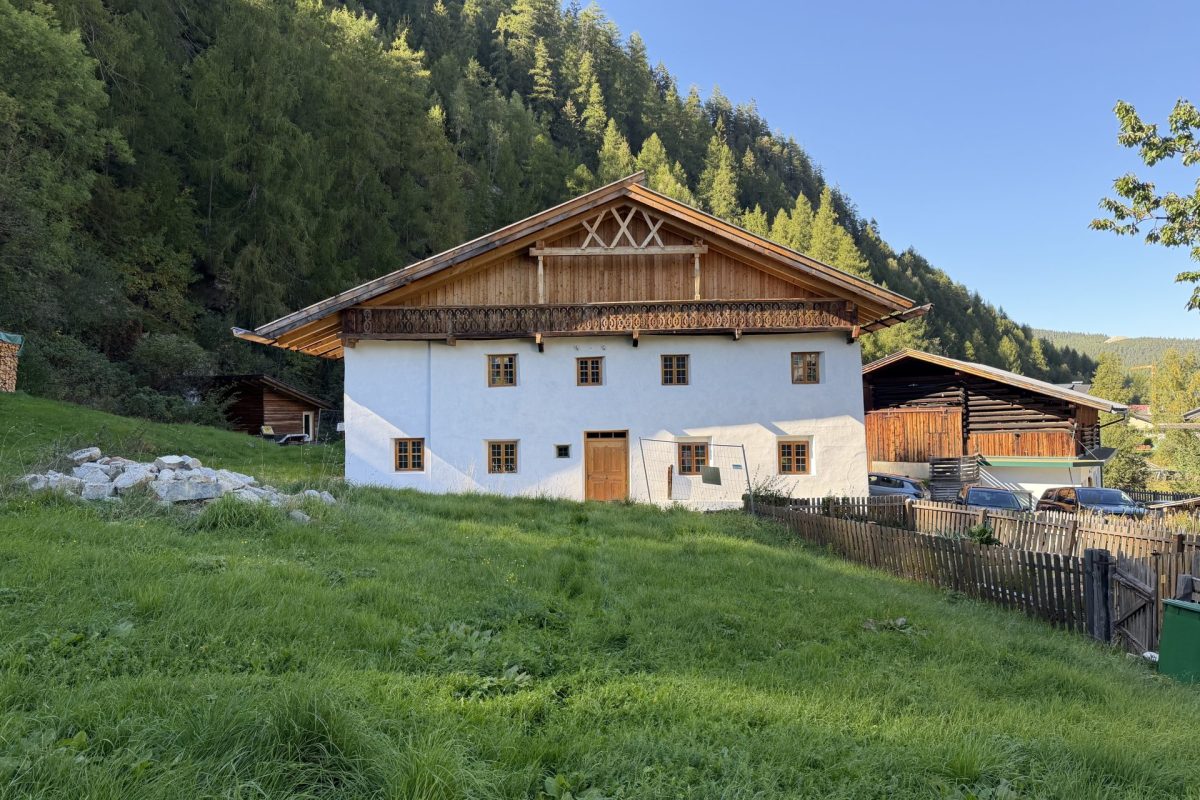
Historic buildings need close observation before design and intervention begin. Stadt : Labor – Architekten combines architecture, historic building research and a sensitivity for heritage conservation into robust concepts for existing fabric, conversion and building on.
Analysis before intervention
Building archaeology makes visible how a building came into being: construction phases, structures, surfaces, traces of earlier uses, damage patterns and alterations. These findings help to determine the right depth of intervention and to avoid losses of historic fabric.
Preserve, add, build on
Heritage conservation does not mean standstill. Historic buildings can be developed further when old and new come together legibly, true to their materials and spatially coherent. What matters is a design that does not cover over the history of the house but keeps it readable.
Thinking documentation and planning together
Room-by-room inventory, documentation of findings, measured survey, refurbishment concept and design should not stand side by side in isolation. The investigation gives rise to the architectural strategy for use, construction, energy, fire safety and execution.
Coordination with owners and authorities
Projects in historic fabric succeed through dialogue: owners, heritage authorities, the municipality, specialist consultants and craftspeople need a shared, comprehensible basis. We prepare decisions so that they remain technically precise and practically feasible.
Building archaeology is worthwhile when the age of the building, its construction, historic surfaces, phases of alteration or heritage questions are relevant to design and approval.
What is a room-by-room inventory (Raumbuch)?
A room-by-room inventory documents rooms systematically by condition, materials, building elements, findings, photographs and assessments. It creates a transparent basis for planning and coordination.
Can listed buildings be used in a contemporary way?
Yes, provided use, services, fire safety and interventions are planned carefully. The aim is a balance between preserving the defining fabric and sensible further development.
Who coordinates measures with the heritage authority?
Depending on the project, coordination takes place jointly with owners, planners, heritage conservation bodies and specialist offices. Good documentation makes the decisions considerably easier.
Discuss a project or process?
We support analysis, concept, design, procedures and implementation.