Building or Converting a Holiday Apartment in Tyrol: What You Really Need to Know
Tyrol is one of the most sought-after tourist destinations in Europe – and the desire to own or let a holiday apartment is correspondingly great. Yet it is precisely in this segment that legal pitfalls lurk which can cost clients dearly.
When does a holiday apartment need a permit?
Almost always. Even the change of use of an existing dwelling to commercial holiday letting requires a permit in Tyrol. And for new buildings, it goes without saying. The Tiroler Raumordnungsgesetz (TROG, the Tyrolean spatial planning act) and the respective municipal plans determine whether and where holiday apartments are permitted at all.
Second home vs. commercial letting: a crucial difference
Tyrol has some of the strictest second-home regulations in Austria. A dwelling used exclusively as a private second home (i.e. not let) is simply not eligible for a permit in many municipalities – especially in sought-after tourist resorts.
Those who let, on the other hand, are running a tourism business and need the corresponding trade licence as well as registration with the municipality for the local tourism levy. That sounds bureaucratic, but it is entirely feasible – if it is set up correctly from the outset.
Requirements in tourism municipalities
Many municipalities have their own design guidelines for tourist buildings: roof form, façade design, materials. Anyone planning a modern glass cube in a traditional mountain village will meet with resistance. This is not just about aesthetics – behind it lies the legitimate interest of the municipalities in preserving their character.
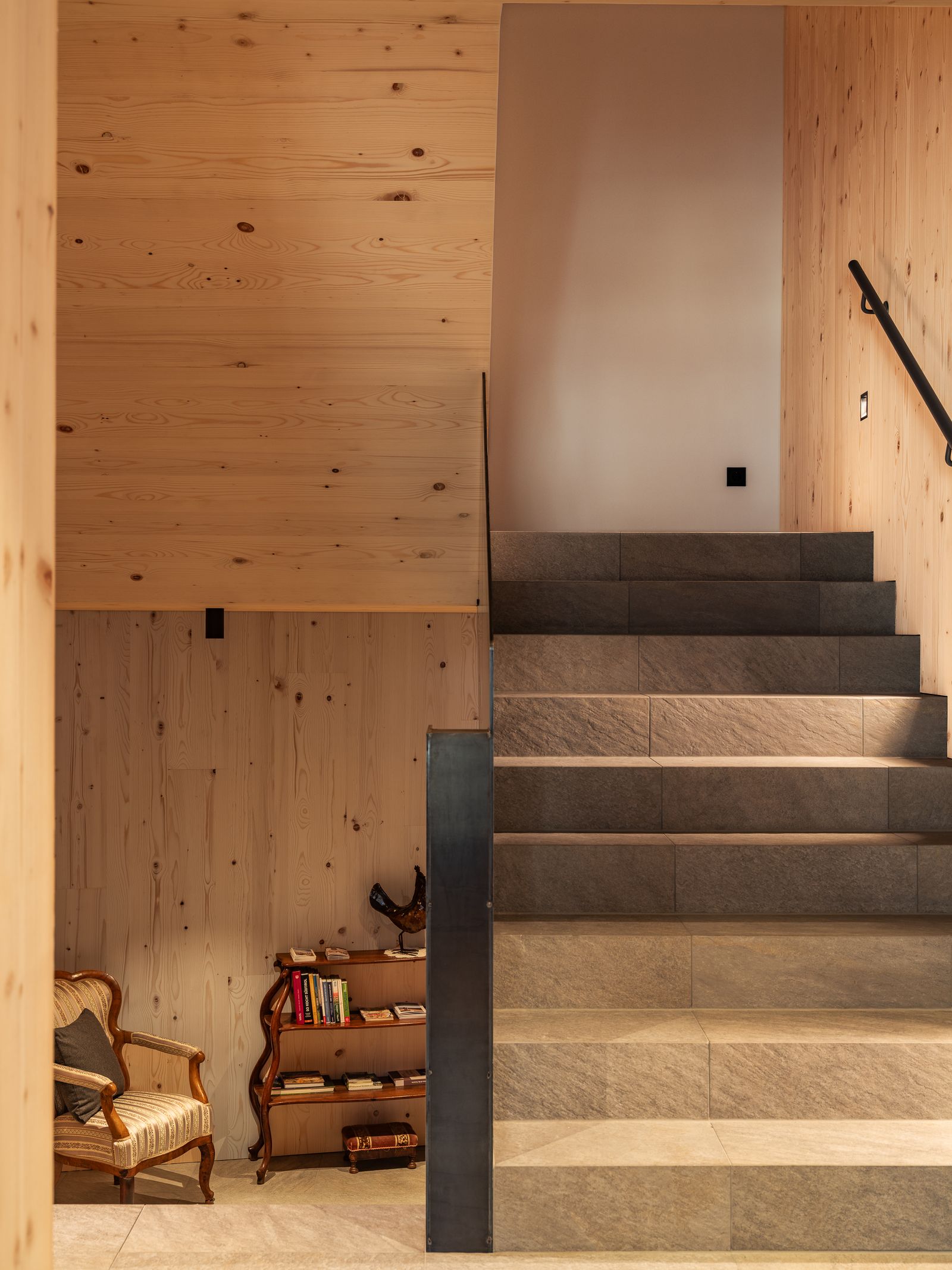
Our project Sustainable solid timber construction for contemporary holiday apartments shows how both can succeed: modern living comfort in a design that confidently inscribes itself into the Alpine building tradition.
Fire safety and technical requirements
Commercially let holiday apartments are subject to stricter requirements than private dwellings: smoke detectors in every room, escape route lighting and, for larger buildings, a fire safety concept. This is non-negotiable and must be taken into account in the planning.
Typical construction costs
For the conversion of an existing dwelling into a high-quality holiday apartment, expect €800–1,500 net per m² – depending on the initial condition and the level of fit-out. Holiday apartments are used more intensively by guests than private dwellings, which is why the choice of materials and the quality of workmanship are particularly important.
Funding for tourist properties
The Tiroler Tourismusförderung (the Tyrolean provincial tourism subsidy) supports quality improvements in existing accommodation businesses. The Wohnhaussanierungsförderung (housing refurbishment subsidy) also applies under certain conditions. Important: eligibility depends on the use concept – early advice pays off here.
Do you have questions on this topic?
Stadt:Labor – Architekten will be happy to advise you – free of charge and without obligation.
office@stadtlabor-architekten.com | +43 512 290505