Listed Buildings in Tyrol: What Am I Allowed to Do in a Conversion – and What Do I Need to Bear in Mind?
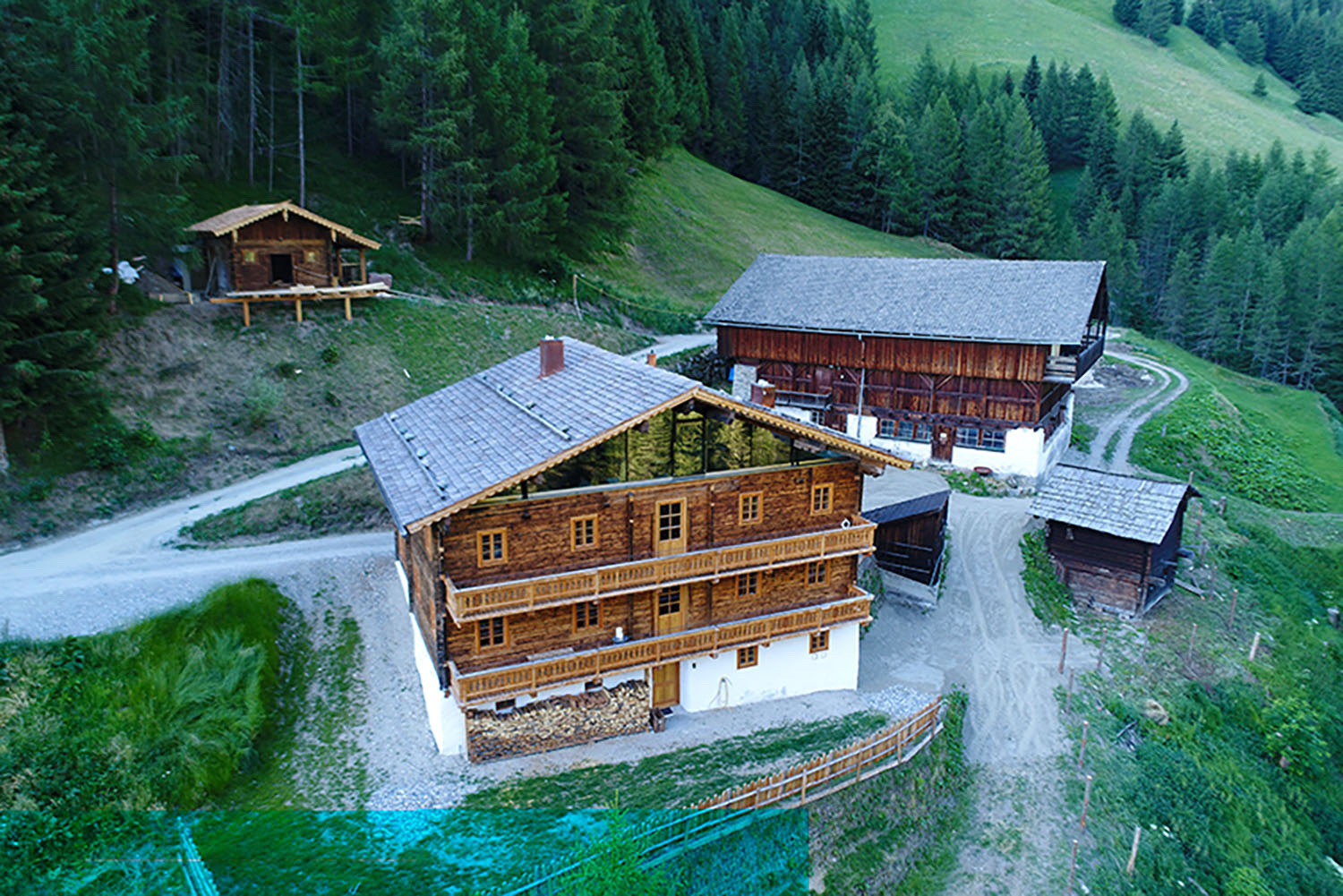
Buying a listed house sounds romantic. And often it is. But it takes preparation, the right partners and, above all, patience. We have been guiding clients through this process for years and know the pitfalls.
When is a building considered a listed monument?
In Austria, the Bundesdenkmalamt (BDA, the Federal Monuments Authority) decides whether a building is placed under protection. The legal basis is the Denkmalschutzgesetz (DMSG, the Austrian Monument Protection Act). Protection is granted to whatever is of “public interest” for history, art or culture. The building does not necessarily have to date from the Middle Ages – buildings from the 19th or early 20th century can be listed as well.
How do you find out whether a building is listed? Protected status is recorded in the land register. In addition, the BDA keeps a publicly accessible register.
What may be changed – and what may not?
The short answer: almost anything can be applied for – but not everything is approved. The BDA primarily protects the external appearance and historically significant interior elements (stucco work, historic floors, wall paintings). Technical installations, new uses and contemporary interior fittings, on the other hand, are usually possible as long as they do not substantially impair the monument.
Concrete examples from our practice:
- Windows: Historic window divisions often have to be retained. But insulating glazing in historic frames is almost always possible.
- Façade: Colour and render texture are often specified by the BDA. No external wall insulation on the outer façade – but internal insulation is possible.
- Roof: Roof form and covering are usually protected. Roof windows: possible depending on the building and its location.
- Interior fit-out: Considerable design freedom, as long as the historic fabric is preserved.
The coordination process with the BDA
The BDA is an authority – but also a partner in dialogue. We always recommend that our clients seek a conversation with the BDA before the design stage. An informal preliminary meeting clarifies expectations and prevents costly revisions.
Formally, it works like this: together with the planning application, a decision is requested from the BDA. The BDA reviews the submission and issues a statement – usually within 4–8 weeks. Longer for complex projects.
Funding for heritage conservation
The BDA awards its own subsidies for conservation work. These are not automatic – they must be applied for and depend on the annual budget available. In addition, there are provincial grants (Landesförderungen) and, under certain conditions, EU funds.
At the Kesslerhaus in Tisens we used exactly this funding mix: a BDA subsidy for the façade restoration, a provincial grant for the energy upgrade of the interiors.
Do you have questions on this topic?
Stadt:Labor – Architekten will be happy to advise you – free of charge and without obligation.
office@stadtlabor-architekten.com | +43 512 290505